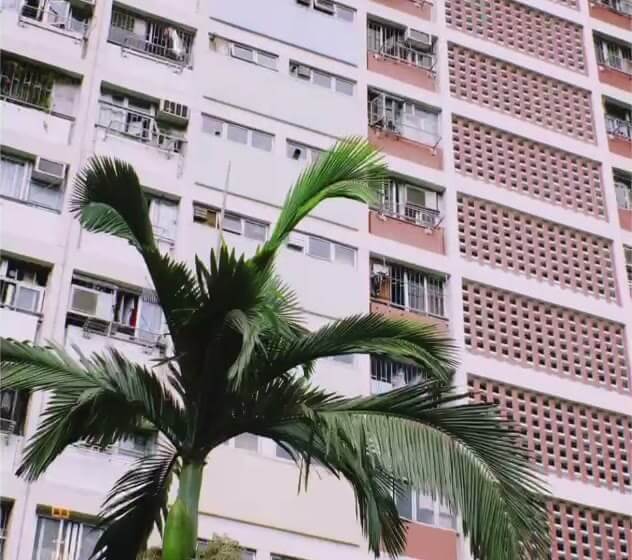
Late 1970s instant integral prints produced an unmistakable optical signature marked by cyan-green shadow casts, pastel highlight roll-off, and square geometry. The CT2R camera profile captures this chemical dye-diffusion look without relying on flat digital filters or cloud post-processing. Framing through a true 1:1 square viewfinder forces deliberate compositional geometry before the shutter releases.
The Chemistry of 1970s Dye-Diffusion Emulsions
Instant peel-apart and integral films from the late 1970s did not produce muted colors by accident; the aesthetic was the physical consequence of chemical dye-diffusion architecture. Polaroid SX-70 Time-Zero and Polacolor emulsions contained multilayered chemical packets consisting of light-sensitive silver halide grains paired with specialized dye developer molecules. When the exposed sheet passed through mechanical steel rollers at the camera mouth, it crushed a small pod containing a viscous alkaline reagent paste. This paste spread between the negative emulsion layers and the positive transparent cover sheet in a layer measuring mere fractions of a millimeter.
The reagent activated hydroquinone developing compounds linked to cyan, magenta, and yellow dye molecules. In exposed areas, silver halide grains developed, immobilizing the associated dye molecules within the negative sandwich. In unexposed regions, unaltered dye developers dissolved in the alkaline gel, migrating upwards across a white titanium dioxide opacifying reflection layer to lodge permanently into an acid polymer receiving mordant. Temperature variations directly altered the relative migration velocity of these dyes. At ambient temperatures between 15°C and 20°C, magenta dye moved substantially slower than cyan, leaving dark shadow transitions infused with a characteristic cyan-green color cast. Simultaneously, the titanium dioxide reflection substrate scattered incident light, softening deep blacks into chalky charcoal tones and lending midtones a delicate, pastel creaminess that modern digital image sensors with linear RGB response cannot replicate without nonlinear tonal matrix remapping. Under cooler field conditions around 10°C, the cyan shift intensifies further, producing the chilly oceanic cast familiar to vintage snapshot collections.
Geometric Tension in the 1:1 Square Frame
The 1:1 square aspect ratio fundamentally changes the mechanics of visual composition by stripping away directional momentum. Standard 35mm film uses an oblong 3:2 rectangular negative measuring 36 by 24 millimeters, which naturally guides the human eye along horizontal horizons or vertical perspective diagonals. A square frame eliminates this directional bias, producing equal spatial tension along all four frame boundaries. When framing in a square, the geometric center of the frame acquires gravitational weight that would feel static or clumsy in a 3:2 viewfinder. Centered portraits, architectural keystones, and radial compositions suddenly feel grounded and deliberate.
Instead of employing the classical rule of thirds along horizontal bands, square framing relies heavily on radial geometry, circular forms, diagonal corner-to-corner vectors, and clean negative space along the margins. The four corners exert equal pull on the subject, requiring the photographer to carefully manage edge-to-edge balance rather than relying on leading lines to rescue an off-center element. When placing a face directly along the vertical midline, generous headroom prevents the composition from feeling cramped, while symmetric environmental textures frame the subject organically. In RfCamera, selecting the CT2R profile crops the live preview screen into an authentic 1:1 optical viewfinder overlay rather than post-cropping the frame after capture. This real-time constraint forces the eye to compose directly within square boundaries, ensuring that edge boundaries, subject placement, and optical falloff resolve harmoniously before the shutter opens. Composing natively in square geometry alters spatial decisions from the moment of capture, encouraging photographers to step closer and isolate central forms with cleaner visual authority.
Optical Falloff and Lens Characteristics of Folding Instant Cameras
The optical signature of 1970s instant photography stems as much from lens compromises as from chemistry. Iconic cameras like the folding Polaroid SX-70 incorporated a four-element 116mm f/8 glass lens assembly, whereas mass-market rigid models such as the Pronto and OneStep relied on three-element or single-element acrylic optics with fixed apertures between f/9.2 and f/14. These optical formulas exhibited distinct physical behavior across the image circle. Center sharpness was respectable, but radial light transmission decayed sharply toward the outer perimeter. Vignetting typically darkened the outer corners by 1.2 to 1.8 exposure values, focusing viewer attention tightly on the central subject.
Furthermore, chromatic aberration produced faint cyan and amber fringing along high-contrast boundaries, especially around backlit foliage or bright sky edges. Because these lenses featured small maximum apertures, shooting in moderate daylight forced mechanical shutters to operate at relatively slow speeds between 1/30 and 1/60 of a second. At these durations, subtle hand tremor introduced microscopic motion blur that softened hard micro-contrast. When combined with the light-scattering diffusion of the internal pod reagent, highlights bloomed gently into adjacent dark pixels rather than clipping into harsh digital white points. Replicating this optical character requires simulating the physical lens curve, radial illumination falloff, and subtle chromatic separation of genuine optical glass rather than applying a superficial vignette border over an otherwise sharp digital photograph. In genuine prints, the outer edges melt into soft shadow gradients that naturally frame human subjects without drawing attention to harsh optical boundaries.
Technical Exposure Settings and Color Balance for CT2R
Achieving the true CT2R 1970s instant look demands precise exposure discipline and careful color temperature balancing. Instant film emulsions had an extremely narrow dynamic range of roughly five stops from deepest shadow to blown highlight, demanding careful placement of middle gray tones. To replicate this response, configure your shooting parameters to lift midtones while preserving subtle shadow hue shifts. In bright outdoor daylight around 5500K to 6000K, dial exposure compensation to +0.5 or +0.7 EV to push skin tones into the soft pastel highlight zone without blowing out delicate textures. When shooting in deep shade or under cloudy overcast skies where the ambient light exceeds 6500K, the CT2R profile enhances cold cyan tones, giving scenes a melancholic retro mood reminiscent of vintage travel postcards.
| Lighting Condition | EV Compensation | Color Cast Response | Shadow Character |
|---|---|---|---|
| Bright Direct Sun (5500K) | +0.7 EV | Balanced pastel highlights with cool edges | Dense charcoal with faint cyan tint |
| Open Shade / Overcast (6500K+) | +0.3 EV | Pronounced cool cyan-green overall tone | Muted teal roll-off with low contrast |
| Golden Hour (3200K–4000K) | +0.5 EV | Warm honey midtones neutralizing cyan | Soft olive-green in deep shadow folds |
| Diffused Window Light (5000K) | +0.7 EV | Creamy skin tones with gentle highlight glow | Gradual shadow falloff toward frame edges |
Conversely, warm golden hour light around 3200K to 4000K neutralizes the shadow cyan cast, producing rich honey-toned highlights alongside neutral moss-green foliage. Avoid high-contrast indoor scenes with direct overhead artificial light, as the narrow dynamic latitude of the profile will drive shadows into muddy olive tones while searing highlights into solid white blocks. Work with soft, directional window light or diffuse outdoor illumination to maximize tonal gradation across the subject's face. When shooting close-up portraits, keep the subject between one and two meters from the camera lens to take full advantage of the center optical sharpness while letting background clutter dissolve into gentle optical falloff. Metering directly off the subject's midtones prevents dark background elements from fooling the exposure system into blowing out fragile facial highlights.
Local GLSL Shaders and On-Device Isolate Processing in RfCamera
RfCamera reproduces the optical and chemical nuances of the CT2R profile through a dedicated local rendering pipeline designed for real-time mobile execution. When framing a shot, the live viewfinder stream runs through a custom GLSL fragment shader (shaders/film.frag) executing directly on the mobile device GPU. This shader calculates radial optical barrel distortion, simulates chromatic dispersion at the extreme edges of the frame, and remaps incoming camera colors via an optimized RGB transformation matrix that shifts shadow values toward cool cyan-green while compressing highlight contrast. A physical grain plate scanned from authentic chemical instant film is blended into the output buffer at runtime to provide authentic organic micro-texture.
When you press the physical or virtual shutter release, RfCamera avoids blocking the main user interface thread by offloading the full-resolution sensor data to a dedicated background isolate through Dart's compute() function. Inside core/bake.dart, the isolate replays the exact same optical distortion, color transformation matrix, and film grain blending algorithms against the uncompressed image raster. The entire baking and JPEG encoding process takes place on-device in isolated memory, writing directly to the application's sandboxed storage without requiring network connectivity, external server calls, user accounts, or internet permissions. This local architecture ensures zero latency in the viewfinder, protects user privacy, and guarantees that every saved image reflects the exact optical physics computed during exposure. The final image file preserves full sensor fidelity while matching the exact chemical signature observed in the live viewfinder.