The Chemistry of High-Acutance Silver Halide Grain
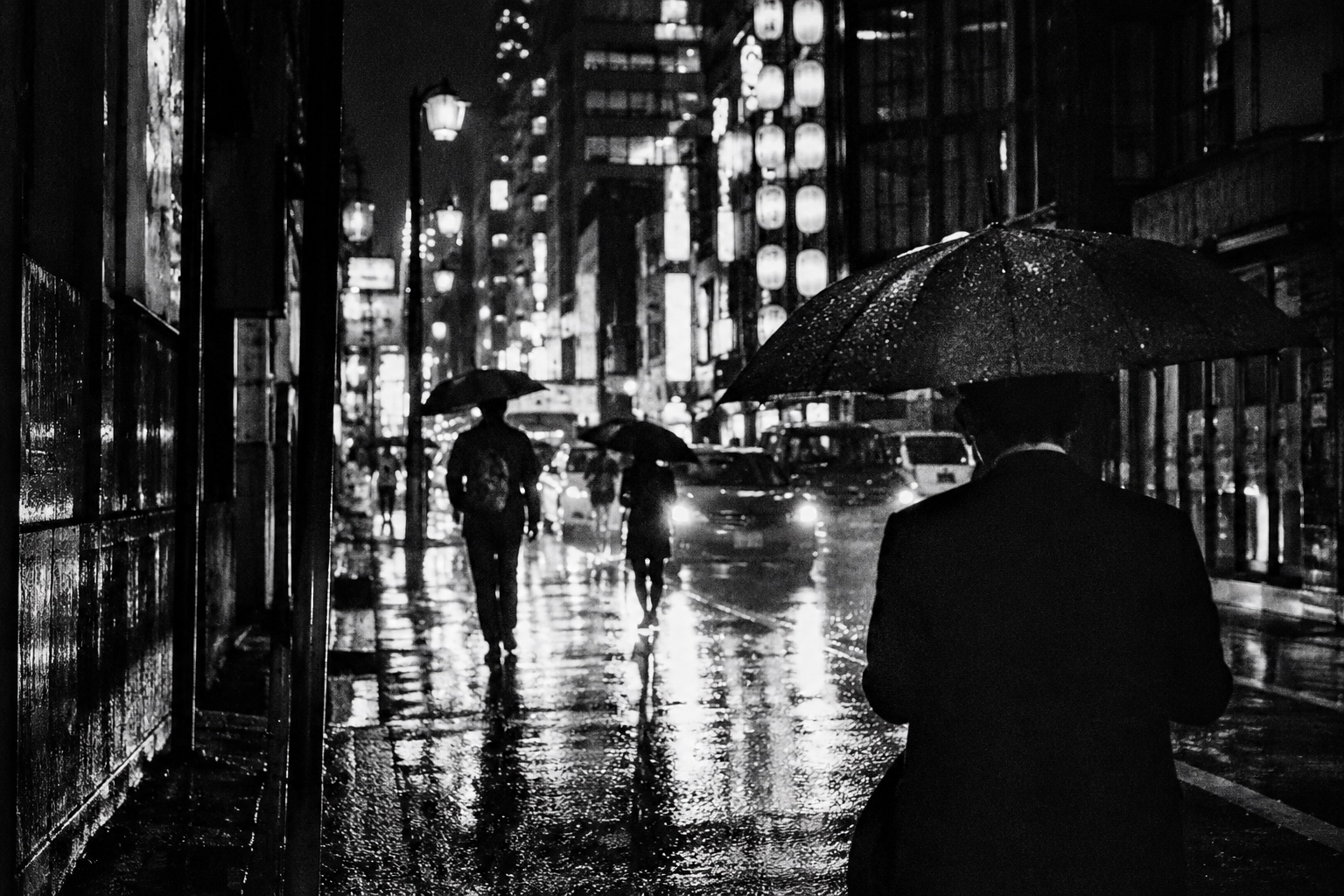
Introduced in 1954, Kodak Professional Tri-X 400 remains the defining aesthetic voice of documentary photojournalism. Unlike contemporary tabular-grain films that emphasize clinical smoothness, Tri-X retains a traditional cubic silver halide crystal emulsion. These crystals are distributed throughout multiple depth layers within the gelatin matrix, producing an optical response known as high acutance — a razor-sharp perceptual edge contrast that makes textures leap from the printed page.
When developed in classic chemistry like Kodak D-76 diluted 1:1 or Rodinal at high dilution, the edges of adjacent bright and dark areas experience localized chemical exhaustion. Potassium bromide released from heavily exposed highlight regions diffuses across the boundary into the adjacent shadow area, creating micro-density border effects that human vision interprets as crisp physical dimensionality.
The Mechanics of Push Processing to ISO 1600 and 3200
In low-light street photography, where streetlamps provide the sole illumination, shooting at nominal box speed leads to unrecoverable motion blur. Push processing exploits the remarkable chemical latitude of Tri-X. By rating the roll at ISO 1600 in the camera's meter and extending darkroom development time by 40% to 50%, the photographer forces sub-surface silver crystals in the midtones to develop fully into metallic silver.
This chemical forcing compresses the tonal scale into a fierce, graphic dynamic: deep shadows drop straight into pitch black, highlights burn bright and clean, and the silver grain clumps together into gritty, tactile clusters. This bold look defined the post-war Japanese street photography movement, capturing urban grit and existential urgency with unvarnished honesty.
Digital Emulation Without Flat Desaturation
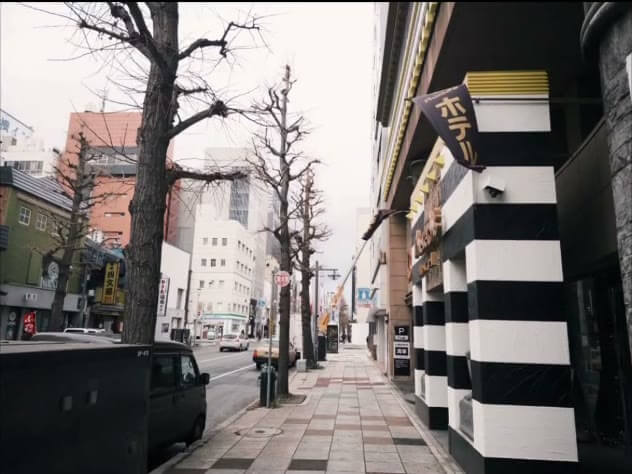
Most mobile camera apps convert photos to black and white by simply dragging the saturation slider to zero — a lazy shortcut that flattens skin tones into muddy grey sludge. In RfCamera, the GR-D monochrome emulator executes a specialized spectral matrix that mimics an analog orange contrast filter, darkening blue skies and brightening human facial tones to preserve healthy skin radiance.
Simultaneously, our fragment shader injects stochastic, resolution-independent film grain derived from physical film plate scans rather than repetitive pixel noise. The grain moves and breathes naturally, giving your mobile street photography the timeless dignity of darkroom silver gelatin prints.